
Future of Health
Where Healthcare AI Learning Goes Next
The next generation of healthcare AI learning will pair technical fluency with ethical judgement, communication, and collaboration.
Read MorePractical ideas on responsible healthcare AI, health data, clinical trust, and student-led innovation.
The next generation of healthcare AI learning will pair technical fluency with ethical judgement, communication, and collaboration.
Read More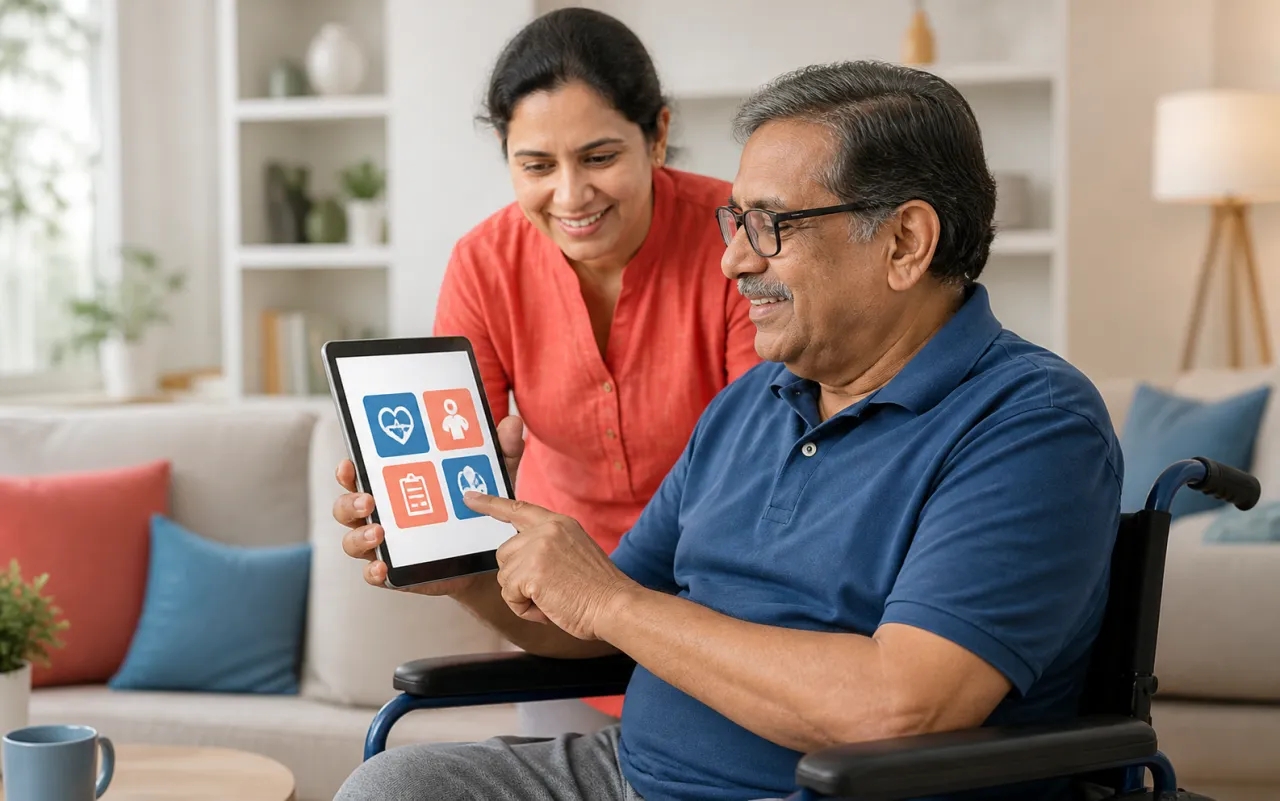
Accessible digital experiences help more people participate, understand information, and receive support with dignity.
Read More
Reflection turns projects into learning: it helps teams see what changed, what mattered, and what should happen next.
Read More
Uncertainty is not a weakness to hide; it is information users need in order to make responsible decisions.
Read More
Healthcare AI becomes stronger when technical, clinical, creative, and community perspectives meet early.
Read More
Privacy should shape a health-focused project from its first outline, not be added as a final technical requirement.
Read More
A modest prototype can reveal more about a healthcare challenge than an ambitious idea left untested.
Read More
Empathy is a practical design skill that helps technology respond to real experiences, not imagined ones.
Read More
The quality of a healthcare AI project begins with the questions a team is willing to ask before building.
Read More
Better healthcare ideas emerge when students, practitioners, researchers, and communities make room for one another’s perspective.
Read More
Before building with health data, innovators need to understand context, quality, consent, and the people represented by every record.
Read More
A practical way for students to turn a healthcare question into a small, responsible learning project.
Read More
Trust in healthcare AI is built through clarity, context, and meaningful human oversight - not through technical claims alone.
Read More